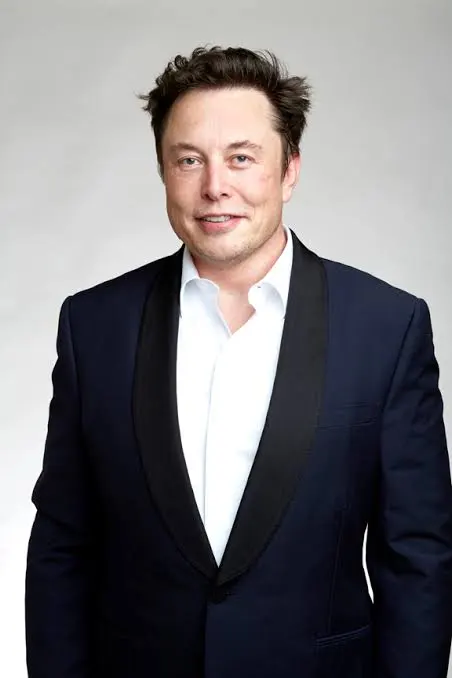
Elon Musk is a high-profile entrepreneur, investor and CEO behind some of the world’s most ambitious companies: Tesla (electric vehicles), SpaceX (space & satellite rockets), xAI (artificial intelligence), and other ventures including Neuralink and The Boring Company. His wealth largely stems from his ownership stakes in these companies — especially Tesla and SpaceX.
Elon Musk’s Net Worth in 2025
- As of late November 2025, major real-time trackers estimate Musk’s net worth around US $476 billion. That makes him the richest person in the world.
- Earlier in 2025, his net worth had fluctuated — at times reported at ≈ US $342 billion (as of March) on the annual billionaire list.
- The volatility is largely due to swings in the stock price of Tesla (a public company), and private valuations of SpaceX and other ventures.
What Contributes to His Wealth
| Asset / Company | Role & Approx. Value / Contribution |
|---|---|
| Tesla | Musk owns roughly 12% of Tesla. As Tesla’s stock value rises or falls, this significantly impacts his net worth. |
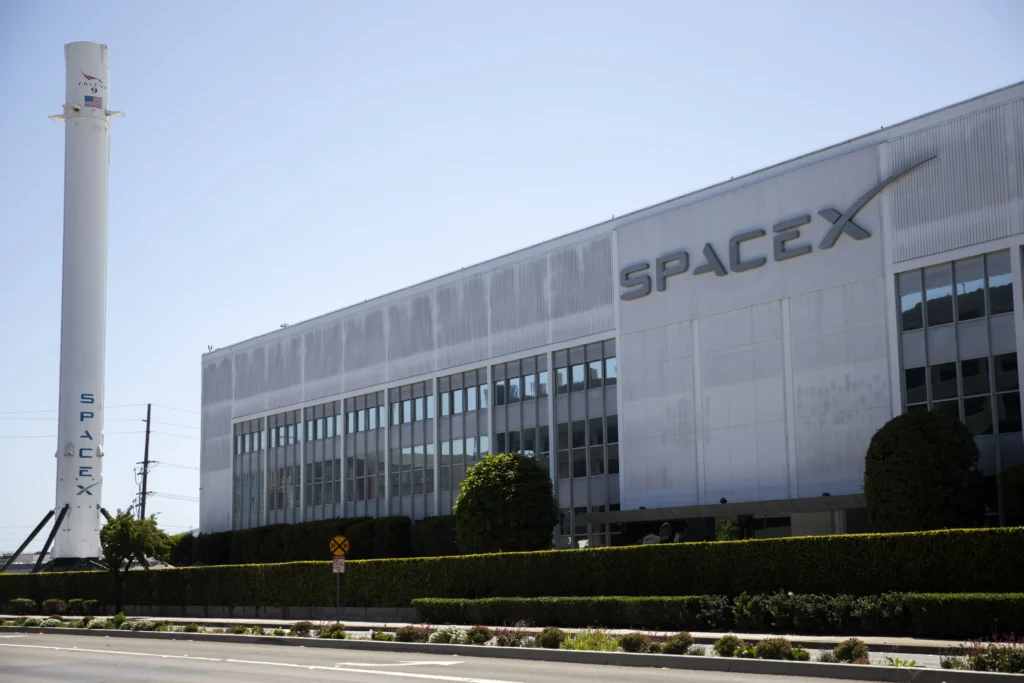
| SpaceX | He owns ~42% of SpaceX, a major part of his private wealth. As of mid-2025, private valuations of SpaceX made it one of his largest assets. |
| xAI / Other Ventures (Neuralink, The Boring Company, etc.) | These add smaller but meaningful value, diversifying his holdings beyond Tesla and SpaceX. |
Because much of his fortune is tied to company shares (both public and private), his net worth can shift dramatically depending on market conditions, valuations, and investor sentiment.
Why His Wealth Fluctuates — What to Know
- Public Market Volatility: Tesla’s share price is subject to public trading. A drop in stock price means a drop in Musk’s net worth (and vice versa).
- Private Company Valuation: Companies like SpaceX and xAI are privately held. Their valuations depend on funding rounds, investor demand, and internal metrics — which can change over time.
- Large Asset Concentration: A huge portion of Musk’s wealth is in a few companies. That concentration means high reward when things go well — but also high risk when things go poorly.
- Long-Term Bets & Uncertainty: Some of Musk’s ventures are ambitious long shots (space travel, brain-computer interfaces, AI). Their success (or failure) adds uncertainty to how sustainable his wealth is over decades.
What It Means (and Doesn’t Mean)
- Musk isn’t a “cash billionaire” — much of his wealth is “on paper,” tied to company valuations and stocks. He likely doesn’t have hundreds of billions sitting in a bank account.
- His fortune shows what’s possible when you have a mix of big-vision ventures + high-risk investments + early involvement in companies that scale massively (like Tesla, SpaceX).
- But because so much depends on markets, regulation, and technology success — wealth at this scale remains fragile.
Why People Care About His Net Worth
Elon Musk’s wealth is often cited not just because it’s huge — but because of what it represents: bold vision + disruptive technology + risk-taking. For entrepreneurs, investors, and dreamers around the world, he’s a symbol of what’s possible if you push boundaries. For critics, his wealth raises questions about inequality, influence, and the social impacts of ultra-rich individuals.