In Kenya, sex workers continue to face severe risks, navigating a world fraught with legal restrictions, social stigma, and public health challenges. Despite being a crucial part of the informal economy, thousands of individuals who rely on sex work for survival operate in conditions that expose them to violence, discrimination, and life-threatening health risks.
Sex work in Kenya is criminalized under the Penal Code, which prohibits “prostitution” and related activities. This legal framework has forced sex workers to operate clandestinely, leaving them vulnerable to exploitation by clients, law enforcement, and third parties who take advantage of their marginalized status. Advocacy groups report that police harassment, arbitrary arrests, and even extortion are common, making daily survival a constant struggle.
“I cannot go to the police if a client abuses me or refuses to pay,” said a Nairobi-based sex worker who asked to remain anonymous. “The law treats us as criminals. If we complain, we face arrest instead of protection.” Such experiences are echoed across urban centers like Nairobi, Mombasa, Kisumu, and Eldoret, where sex workers are often displaced to hidden locations to avoid scrutiny, increasing their exposure to unsafe conditions.
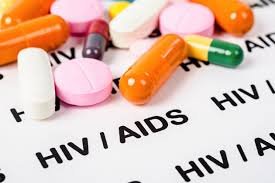
Health risks are another major concern. Kenya has one of the highest HIV prevalence rates in sub-Saharan Africa, and sex workers face significantly elevated risk due to inconsistent access to healthcare, stigma, and lack of regular testing. According to the National AIDS & STI Control Programme (NASCOP), HIV prevalence among female sex workers is estimated at 29.3%, compared to 4.9% in the general adult population. Limited access to sexual and reproductive health services exacerbates these risks, leaving many without treatment for HIV, sexually transmitted infections (STIs), or other medical needs.
Condom use, a primary preventive measure, is often inconsistent due to client refusal, threats of violence, or coercion. “Sometimes clients pay more if I don’t use a condom,” explained another worker in Nairobi. “Refusing is dangerous, but agreeing is risky for my health.” Public health experts argue that decriminalization, combined with targeted health programs, is essential to reduce these risks and improve the well-being of sex workers.
The COVID-19 pandemic further highlighted the precarious nature of sex work in Kenya. Lockdowns, curfews, and restrictions on movement led to drastic reductions in clients and income. Many sex workers reported going hungry or resorting to unsafe practices just to survive. Aid organizations distributed food and personal protective equipment, but the support was limited, and structural challenges remained unaddressed.
Social stigma compounds these issues. Families, communities, and even healthcare providers often view sex workers through a moralistic lens, marginalizing them further. Discrimination in hospitals and clinics is widely reported, discouraging sex workers from seeking essential care. “I’ve had nurses refuse me treatment once they knew my profession,” said a worker in Kisumu. “You feel invisible and unwanted, even when you’re very sick.” Such discrimination not only threatens individual lives but also undermines public health efforts aimed at controlling HIV and other STIs.
Despite these challenges, sex workers in Kenya are increasingly organizing themselves to advocate for their rights. Organizations such as the Sex Workers Outreach Programme (SWOP) and the Kenyan Sex Workers Alliance (KESWA) provide critical services including health education, condom distribution, psychosocial support, and legal aid. They also lobby for policy reforms, including the decriminalization of sex work and protection against police abuse.
Legal reform advocates argue that decriminalization would improve safety, reduce exploitation, and allow sex workers to access essential services without fear of arrest. Countries that have implemented partial or full decriminalization, such as New Zealand, have seen reductions in violence against sex workers and better health outcomes. In Kenya, however, conservative societal norms and political reluctance have slowed reform efforts, leaving sex workers in a legal gray zone.
Economic necessity drives many into sex work. Poverty, lack of employment opportunities, and gender inequality disproportionately affect women and transgender individuals, forcing them into informal and often unsafe livelihoods. For some, sex work provides a critical means of supporting families, paying school fees, or meeting basic needs. Yet, the lack of formal recognition ensures that this labor remains precarious and undervalued.
Violence against sex workers is pervasive. Reports of assault, rape, and coercion are alarmingly common. According to a study by the Global Network of Sex Work Projects (NSWP), more than 70% of Kenyan sex workers have experienced physical or sexual violence at some point in their careers. Law enforcement officers are sometimes perpetrators, highlighting the dangers of criminalization. Without legal protection or recourse, many cases go unreported, perpetuating cycles of abuse.
Technology has become both a tool and a challenge. Online platforms offer some sex workers more anonymity and safer ways to connect with clients. However, digital spaces are also monitored, and the threat of exposure or online harassment remains. Additionally, online sex work often requires digital literacy and access to smartphones or the internet, which not all individuals have.
International organizations have increasingly emphasized the importance of harm reduction approaches. UNAIDS, WHO, and other public health bodies advocate for decriminalization, anti-stigma campaigns, access to healthcare, and empowerment programs for sex workers. Such measures aim not only to protect human rights but also to improve broader public health outcomes by reducing HIV transmission and increasing access to medical care.
Despite the challenges, stories of resilience emerge. Sex workers’ collectives provide peer support, legal guidance, and educational opportunities, fostering solidarity and a sense of community. These networks help mitigate the isolation and vulnerability that criminalization and stigma create. “We support each other,” said a community organizer in Nairobi. “Even when the law fails us, we have each other.”
The Kenyan government faces growing pressure from civil society and international partners to address the complex realities of sex work. Balancing moral and cultural attitudes with human rights obligations remains a delicate challenge. While incremental steps have been taken—such as targeted HIV interventions and community outreach programs—advocates stress that only systemic reform can ensure safety, dignity, and health for thousands of sex workers across the country.
In the meantime, sex workers continue to navigate a landscape fraught with danger, marginalization, and economic uncertainty. Their stories reveal the intersection of poverty, gender inequality, public health, and human rights, highlighting the urgent need for policies that prioritize protection, healthcare access, and empowerment.
As Kenya grapples with these issues, one truth remains clear: ignoring the needs and rights of sex workers does not erase them—it only exacerbates vulnerability and risk. For many, survival depends not just on their resilience, but on systemic changes that recognize sex work as work, deserving of protection, dignity, and opportunity.
TRENDING NOW
-

Cole Palmer named as the “Premier League player of the week” for game week 25
Cole Palmer’s performance against Wolves this weekend was nothing short of special, and it fully explains why he has officially been named Premier League Player of the Week. The Chelsea star delivered a clinical first half hat trick that stunned the home crowd and set the tone for a dominant display. His confidence, composure, and…
-

ULTRAMAXTECHNOLOGIES DATA SOLUTIONS.
ARE YOU IN KENYA USING A SAFARICOM SIM CARD? Tired of expensive bundles that finish too fast? Need cheap, fast and reliable data, SMS or minutes every day? We’ve got you covered ✅ Get affordable Safaricom deals instantly through our legit, trusted and fully automated system working 24/7.No delays. No stress. Just pay and receive…
-

Custom Website vs WordPress Website: What’s the Difference?
If you’re planning to build a website, one of the first decisions you’ll face is whether to go with a custom-built website or a WordPress website. Both options are popular, powerful, and widely used—but they serve different needs. Understanding the differences can help you choose the right approach for your goals, budget, and long‑term plans.…
-

Why Ultramax Technologies Is Investing in Its Own Servers
As Ultramax Technologies continues to grow, our mission remains clear: deliver reliable, secure, and high-performance digital solutions to our clients. To achieve this, we are taking a major step forward—investing in our own server infrastructure. What Does Owning Servers Mean? Owning servers means we operate and manage our own physical server hardware instead of relying…
-

Europa League Matchday 8
Europa League Matchday 8 Delivers Drama as Europe Lights Up at 23:00 EAT As the clock strikes 23:00 EAT, the UEFA Europa League Matchday 8 fixtures have either reached their decisive moments or already produced results across Europe. This final round of the league phase has lived up to expectations, delivering tension, goals, and defining…
-

A Dramatic Finish to a Historic UEFA Champions League Night
Results for the UEFA champions league games The final matchday of the UEFA Champions League league phase delivered everything football fans hoped for and more. Drama, goals, surprises, and major twists dominated a thrilling night as all 18 fixtures kicked off simultaneously at 23:00 EAT. By the final whistle, the picture was clear. Some teams…
-

Champions League Night
A Long Awaited Champions League Night Is Finally Here After weeks of anticipation, debates, predictions, and endless discussions among football fans, the moment we have all been waiting for has finally arrived. Tonight, Europe lights up as the UEFA Champions League League Phase takes center stage, delivering one of the most exciting football nights of…
-
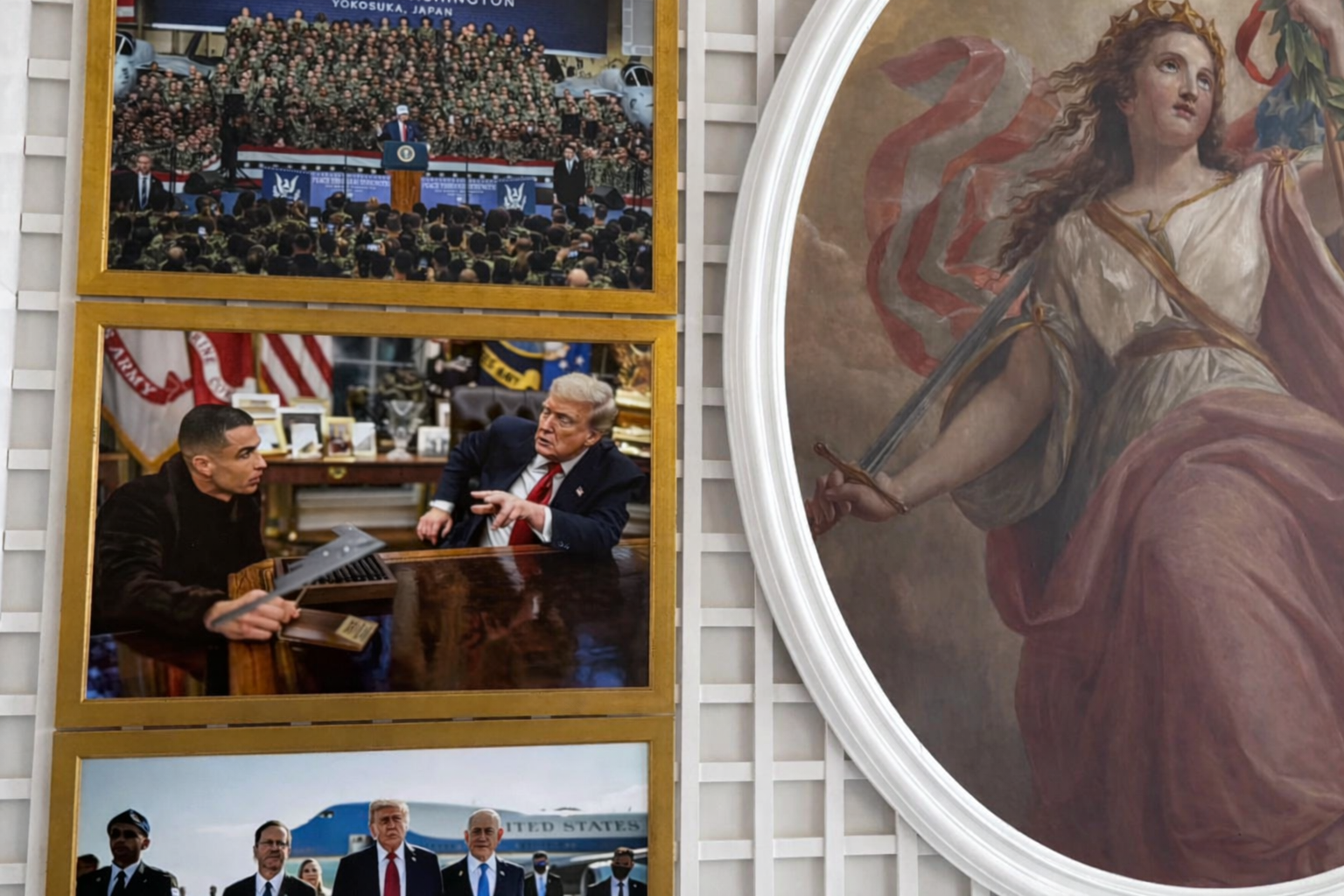
Donald Trump Frames Photo With Cristiano Ronaldo at the White House
In a move that has sparked conversation across both political and sports circles, U.S. President Donald Trump has reportedly framed and displayed a photograph of himself alongside global football icon Cristiano Ronaldo at the White House. The unexpected pairing has quickly gone viral, igniting debates, memes, and widespread speculation about the meaning behind the gesture.…
-
AI Is Saving Jobs, Not Taking Them: The Truth Behind the AI Revolution
The Biggest Myth About AI Many people believe artificial intelligence is here to replace humans, but the reality is very different. AI is saving jobs by transforming how we work, increasing efficiency, and opening doors to new career opportunities instead of shutting them. Just like the internet and smartphones, AI is a tool that helps…
-

How Much Can You Earn From a Blog Website Per Month?
Blogging is no longer just a hobby. Today, it’s a real online business that can generate passive income every month. But the most common question beginners ask is: How much can we earn from a blog website per month? The short answer is: it depends. The long answer is explained below Average Monthly Income From…