
Introduction
Diabetes is a chronic condition that affects millions of people worldwide. Recognizing the early signs of diabetes is crucial for prevention, timely intervention, and management. Many people live with diabetes for years without knowing it, which can lead to serious health complications such as heart disease, kidney damage, and vision problems. By understanding the early signs of diabetes, you can take proactive steps to safeguard your health and improve your quality of life.
Diabetes occurs when the body either doesn’t produce enough insulin or cannot use it effectively. The imbalance leads to high blood sugar levels, which over time can damage nerves, blood vessels, and organs. Spotting the early signs of diabetes can make a significant difference in treatment outcomes and overall health.
Frequent Urination and Excessive Thirst
One of the most common early signs of diabetes is frequent urination, also known as polyuria. When blood sugar levels are high, the kidneys work harder to filter and absorb the excess glucose. This process leads to increased urination, which can cause dehydration. As a result, individuals often experience excessive thirst, another prominent early sign of diabetes.
Paying attention to unusual patterns of urination or persistent thirst can help detect diabetes early. Early recognition allows you to seek medical advice and adopt lifestyle changes that manage blood sugar effectively.
Unexplained Weight Loss
Unexpected weight loss is another important early sign of diabetes, particularly in type 1 diabetes. Despite eating normally or even more than usual, people may lose weight because the body cannot efficiently convert glucose into energy. Instead, it begins to break down fat and muscle for fuel, causing rapid and unexplained weight loss.
Monitoring weight changes and understanding the connection to blood sugar levels is essential. Identifying early signs of diabetes like weight loss allows healthcare providers to diagnose and treat the condition before complications arise.
Extreme Fatigue and Weakness
Feeling unusually tired or weak is a frequent complaint among those noticing early signs of diabetes. High blood sugar levels prevent cells from absorbing glucose properly, leaving the body without adequate energy. Persistent fatigue, even after rest, may indicate that your body is struggling to process sugar efficiently.
Recognizing early signs of diabetes like fatigue enables individuals to make lifestyle adjustments, such as improving diet and increasing physical activity, alongside medical treatment.
Blurred Vision and Eye Problems
Elevated blood sugar levels can affect the eyes, causing blurred vision, difficulty focusing, or temporary vision changes. This is a notable early sign of diabetes, as high glucose levels cause fluid shifts in the lenses of the eyes, affecting clarity. If untreated, long-term high blood sugar can lead to diabetic retinopathy, which may threaten vision.
Early detection of early signs of diabetes through eye symptoms can prompt timely screenings and interventions, preserving eye health.
Slow-Healing Wounds and Frequent Infections
High blood sugar can impair blood circulation and the immune system, leading to slow-healing cuts, bruises, or sores. Recurring infections, particularly in the skin, gums, or urinary tract, are also common early signs of diabetes. These symptoms signal that the body is struggling to fight off infections due to elevated glucose levels.
Recognizing early signs of diabetes in wound healing or infections encourages prompt medical evaluation and preventive care, reducing the risk of severe complications.
Tingling or Numbness in Extremities
Another early sign of diabetes is neuropathy, characterized by tingling, numbness, or burning sensations in the hands and feet. High blood sugar can damage nerves over time, making early identification critical. Neuropathy may begin subtly but can progress if diabetes remains uncontrolled.
Paying attention to tingling or numbness is an essential step in recognizing early signs of diabetes, allowing for early interventions and nerve protection.
Increased Hunger
Also known as polyphagia, increased hunger is a early sign of diabetes. When the body cannot efficiently use glucose for energy, it triggers stronger signals of hunger. This excessive appetite often accompanies weight loss, fatigue, and frequent urination, forming a cluster of early symptoms.
By observing early signs of diabetes such as sudden hunger spikes, individuals can take action to monitor blood sugar and consult healthcare providers for diagnosis and management.
Mood Changes and Irritability
Diabetes can affect the brain’s glucose levels, leading to mood swings, irritability, or even anxiety. These emotional changes are subtle early signs of diabetes that often go unnoticed. When combined with physical symptoms, mood changes can provide additional clues to identify the condition early.
Recognizing early signs of diabetes like emotional fluctuations can prompt testing and lifestyle adjustments to maintain both mental and physical health.
Conclusion
Understanding the early signs of diabetes empowers individuals to take control of their health. By monitoring symptoms such as frequent urination, unexplained weight loss, fatigue, blurred vision, and mood changes, you can seek early diagnosis and treatment. Early intervention in diabetes management prevents severe complications and improves overall well-being.
Being aware of early signs of diabetes is the first step toward a healthier lifestyle. Alongside medical advice, maintaining a balanced diet, exercising regularly, and monitoring blood sugar levels help manage the condition effectively. Recognizing the warning signs of diabetes today can lead to a healthier tomorrow.
TRENDING NOW
-

The Rise, Challenges & Future of Spirit Airlines in the U.S. Travel Market
Introduction In the ever-changing landscape of U.S. air travel, Spirit Airlines continues to dominate conversations—sometimes for praise, other times for criticism—but always with an undeniable presence. Known for its bright yellow planes and ultra-low-fare business model, the airline has spent the last decade reshaping what Americans expect from budget travel. As the keyword “Spirit Airlines”…
-

UFC Fighters & Champions: America’s Most Iconic MMA Stars
🇺🇸 Introduction — Who Defines UFC Excellence? One of the most fascinating parts of the Ultimate Fighting Championship (UFC) is its roster of elite athletes who push physical boundaries and redefine martial arts in the United States and globally. These fighters aren’t just stars — they are trailblazers, ambassadors of combat sports, and symbols of…
-

Ultimate Fighting Championship (UFC): The Rise of America’s Most Explosive Sport
4 🇺🇸 Introduction — How UFC Became a U.S. Sporting Phenomenon The Ultimate Fighting Championship (UFC) isn’t just another combat sports brand — it’s a cultural powerhouse in the United States and a major catalyst for the global popularity of mixed martial arts. From its humble and controversial beginnings in 1993 to today’s multi-billion-dollar global…
-

Sharon Rooney: A Rising Star of UK Screen and Stage
4 Introduction Sharon Rooney is one of the United Kingdom’s most compelling and versatile talents today — a Scottish actress whose performances have earned critical acclaim, fan loyalty, and a rapidly expanding body of work across television, film, and streaming platforms. From breakthrough roles in beloved teen dramas to blockbuster Hollywood productions, Rooney’s career reflects…
-

Community, Global Interest & Legacy: Wrexham vs Middlesbrough’s Wider Impact
4 The Championship fixture Wrexham vs Middlesbrough on 2 May 2026 was more than a football match — it was a cultural moment that resonated with fans across the United Kingdom and around the world. This blog explores how such a matchup impacts supporters, local communities, and global audiences alike. 🌍 Wrexham’s Global Footprint For…
-
Play-Off Dreams & Promotion Ambition: Wrexham vs Middlesbrough
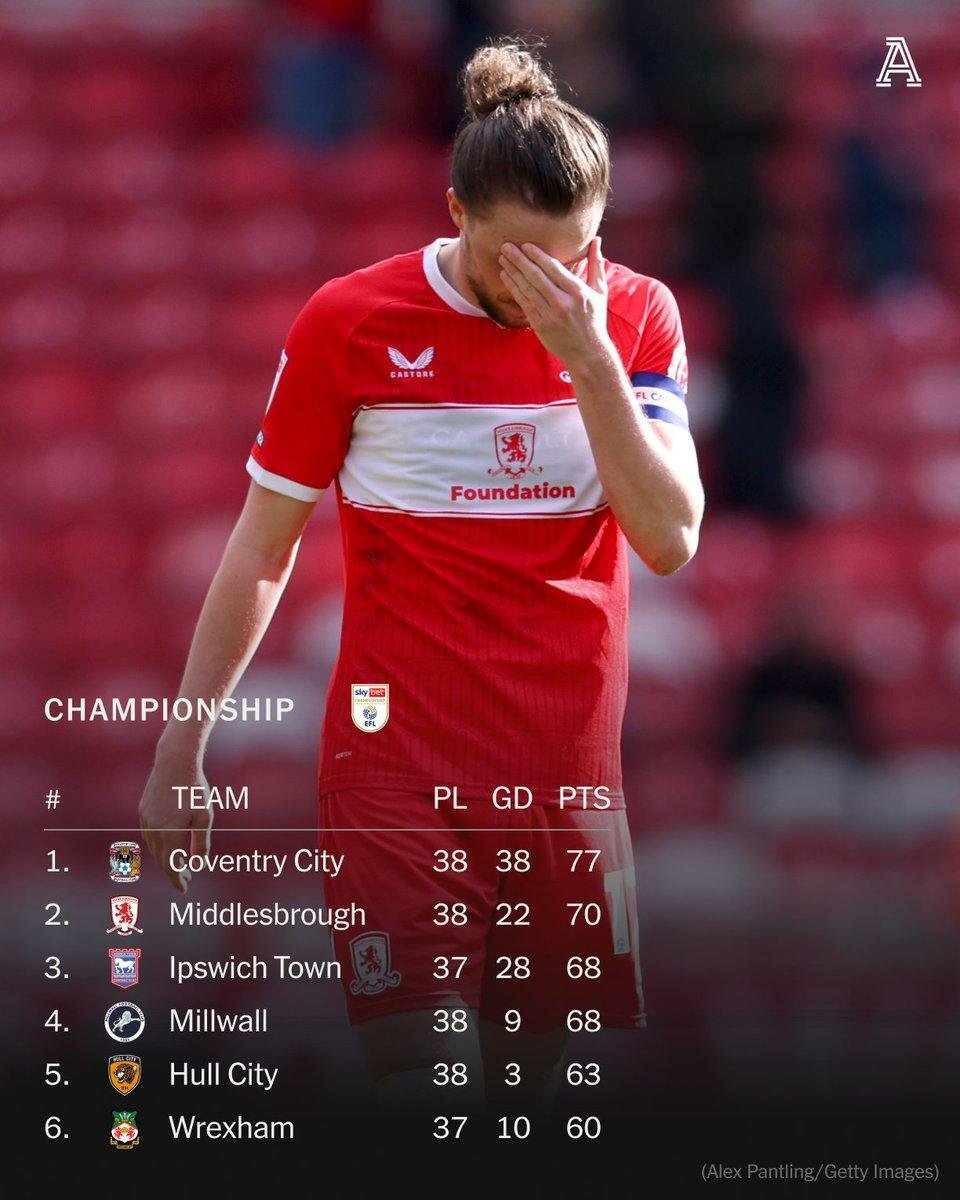
4 On 2 May 2026, two clubs with contrasting histories met in one of the most dramatic promotion battles of the EFL Championship season: Wrexham vs Middlesbrough. The encounter wasn’t just a match — it was a test of ambition, legacy, and destiny. 🏆 Stakes At The Start At the outset of the season, few…
-

Wrexham vs Middlesbrough: The Championship Finale Showdown
4 The final day of the 2025–26 EFL Championship season brought one of the most intriguing matches in the English Football League: Wrexham vs Middlesbrough at the Racecourse Ground on 2 May 2026. For both clubs this wasn’t just another fixture — it was a confrontation steeped in promotion hopes, historic ambition, and high drama…
-

Who Is Balendra Shah? Rapper-Turned-Politician Set to Be Nepal’s Next Prime Minister
4 Nepal’s political landscape may be on the verge of a historic transformation as rapper-turned-politician Balendra “Balen” Shah emerges as the leading candidate to become the country’s next prime minister. The popular former mayor of Kathmandu has gained massive support from young voters and reform-minded citizens who want a new direction for the country. If…
-

Who Was Stephanie Buttermore? Biography, Career and Net Worth
4 Stephanie Buttermore Biography Stephanie Buttermore was a popular American fitness influencer, scientist, and YouTuber known for her educational approach to fitness and nutrition. She gained international recognition for sharing scientifically backed fitness advice with her online audience. Basic details: Her unique combination of academic knowledge and fitness experience helped her stand out among online…
-
Stephanie Buttermore – Fitness Influencer and Scientist Dies at 36
4 Stephanie Buttermore: Fitness World Mourns Popular YouTuber The fitness community is mourning the loss of Stephanie Buttermore, a well-known fitness influencer, scientist, and YouTuber who reportedly passed away at the age of 36. The news was confirmed by her fiancé, Jeff Nippard, through a social media statement that shocked millions of fans around the…