
If you want to start web development, the first step is understanding HTML basics. HTML is the foundation of every website you see online. Whether you want to build a simple page or a complex site, knowing HTML gives you full control over structure and content.
What Is HTML?
To understand HTML basics, you need to know that HTML stands for HyperText Markup Language. It is a standard coding language used to create the structure of web pages. HTML does not style or design the page—its main job is to organize content like text, images, links, and layouts.
Why Learn HTML First?
When learning HTML basics, beginners often ask why it is important. The answer is simple: HTML is the skeleton of every website. Even when using advanced tools like WordPress, React, or templates, HTML still powers the structure behind the scenes.
How HTML Works
To fully understand HTML basics, you must know that HTML uses “tags” to display content. Tags tell the browser what each element is—for example, headings, paragraphs, or images. Every tag is written inside angle brackets like <p> or <h1>.
Understanding HTML Tags
A big part of HTML basics is learning the structure of tags. Most tags come in pairs: an opening tag <p> and a closing tag </p>. Everything written between these tags becomes visible to the user. This is how HTML organizes and displays information.
The Structure of an HTML File
When learning HTML basics, you will come across the main layout of an HTML file. A standard HTML document includes:
<!DOCTYPE html>– tells the browser the type of document<html>– wraps the whole page<head>– contains page settings<body>– contains everything visible on the page
Understanding this structure is essential for mastering HTML.
The Head Section
Another crucial part of HTML basics is the <head> section. It holds important information like the page title, meta tags for SEO, and links to CSS or JavaScript files. Search engines use the head section to understand what your page is about.
The Body Section
In every tutorial on HTML basics, you will see that the <body> tag is where all visible content goes. Everything your users read or interact with—text, images, forms, videos—lives inside the body.
HTML Headings
Learning HTML basics involves using heading tags correctly. HTML provides six levels of headings: <h1> to <h6>. The <h1> tag is the main title, while smaller headings help organize the rest of the content. Proper heading hierarchy helps both users and search engines.
HTML Paragraphs
One of the easiest parts of HTML basics is creating paragraphs using the <p> tag. Paragraphs allow you to break your content into readable sections. Without them, your page would look messy and unorganized.
HTML Links
No guide on HTML basics is complete without links. Links are created using the <a> tag. They allow users to move between pages, visit external sites, or download files. For example:<a href="https://example.com">Click Here</a>
This small tag makes the web connected.
HTML Images
Images are a big part of HTML basics. You insert images using the <img> tag, which does not need a closing tag. It includes attributes such as src for the image path and alt for alternative text. Good alt text improves accessibility and SEO.
HTML Attributes
Understanding attributes is key to mastering HTML basics. Attributes provide extra information to HTML elements. Examples include:
srcfor imageshreffor linksclassfor styling
Attributes make HTML elements more powerful and customizable.
HTML Lists
Lists are another important part of HTML basics. HTML has two types of lists:
- Ordered lists (
<ol>) – numbered items - Unordered lists (
<ul>) – bullet points
Lists help you organize information clearly and make your content easier to read.
HTML Forms
Forms are essential in advanced HTML basics when building interactive pages. Forms let users enter data such as names, emails, or messages. A form typically includes inputs, text areas, dropdowns, and buttons. Websites use forms for login pages, sign-ups, and contact pages.
HTML Comments
A simple but important part of HTML basics is comments. Comments are notes that help developers understand code but are not shown on the webpage. They look like this:<!-- This is a comment -->
Comments are helpful when working in teams or revisiting old code.
HTML Semantics
Modern HTML basics include semantic tags like <header>, <footer>, <article>, and <section>. These tags help search engines understand the meaning and purpose of different parts of your page. Semantic HTML improves accessibility, SEO, and page structure.
HTML and CSS
You cannot learn HTML basics without mentioning CSS. HTML handles structure, while CSS handles styling. Together, they make a complete webpage. Although CSS is separate, HTML uses the class and id attributes to help with styling.
Common Mistakes Beginners Make
When learning HTML basics, beginners often make mistakes such as:
- Forgetting closing tags
- Poor indentation
- Misusing heading levels
- Not adding alt text to images
Fixing these mistakes improves code quality and SEO.
Why Practice Is Important
To fully master HTML basics, practice is everything. The more you write HTML code, the faster you understand how tags behave. Start with simple pages and gradually build more complex layouts.
Final Thoughts
Learning HTML basics is the first and most important step in web development. It gives you the power to structure your website exactly how you want. Once you understand HTML, moving to CSS, JavaScript, and frameworks becomes easier and more enjoyable
Download a free pdf:
TRENDING NOW
-

The Rise, Challenges & Future of Spirit Airlines in the U.S. Travel Market
Introduction In the ever-changing landscape of U.S. air travel, Spirit Airlines continues to dominate conversations—sometimes for praise, other times for criticism—but always with an undeniable presence. Known for its bright yellow planes and ultra-low-fare business model, the airline has spent the last decade reshaping what Americans expect from budget travel. As the keyword “Spirit Airlines”…
-

UFC Fighters & Champions: America’s Most Iconic MMA Stars
🇺🇸 Introduction — Who Defines UFC Excellence? One of the most fascinating parts of the Ultimate Fighting Championship (UFC) is its roster of elite athletes who push physical boundaries and redefine martial arts in the United States and globally. These fighters aren’t just stars — they are trailblazers, ambassadors of combat sports, and symbols of…
-

Ultimate Fighting Championship (UFC): The Rise of America’s Most Explosive Sport
4 🇺🇸 Introduction — How UFC Became a U.S. Sporting Phenomenon The Ultimate Fighting Championship (UFC) isn’t just another combat sports brand — it’s a cultural powerhouse in the United States and a major catalyst for the global popularity of mixed martial arts. From its humble and controversial beginnings in 1993 to today’s multi-billion-dollar global…
-

Sharon Rooney: A Rising Star of UK Screen and Stage
4 Introduction Sharon Rooney is one of the United Kingdom’s most compelling and versatile talents today — a Scottish actress whose performances have earned critical acclaim, fan loyalty, and a rapidly expanding body of work across television, film, and streaming platforms. From breakthrough roles in beloved teen dramas to blockbuster Hollywood productions, Rooney’s career reflects…
-

Community, Global Interest & Legacy: Wrexham vs Middlesbrough’s Wider Impact
4 The Championship fixture Wrexham vs Middlesbrough on 2 May 2026 was more than a football match — it was a cultural moment that resonated with fans across the United Kingdom and around the world. This blog explores how such a matchup impacts supporters, local communities, and global audiences alike. 🌍 Wrexham’s Global Footprint For…
-
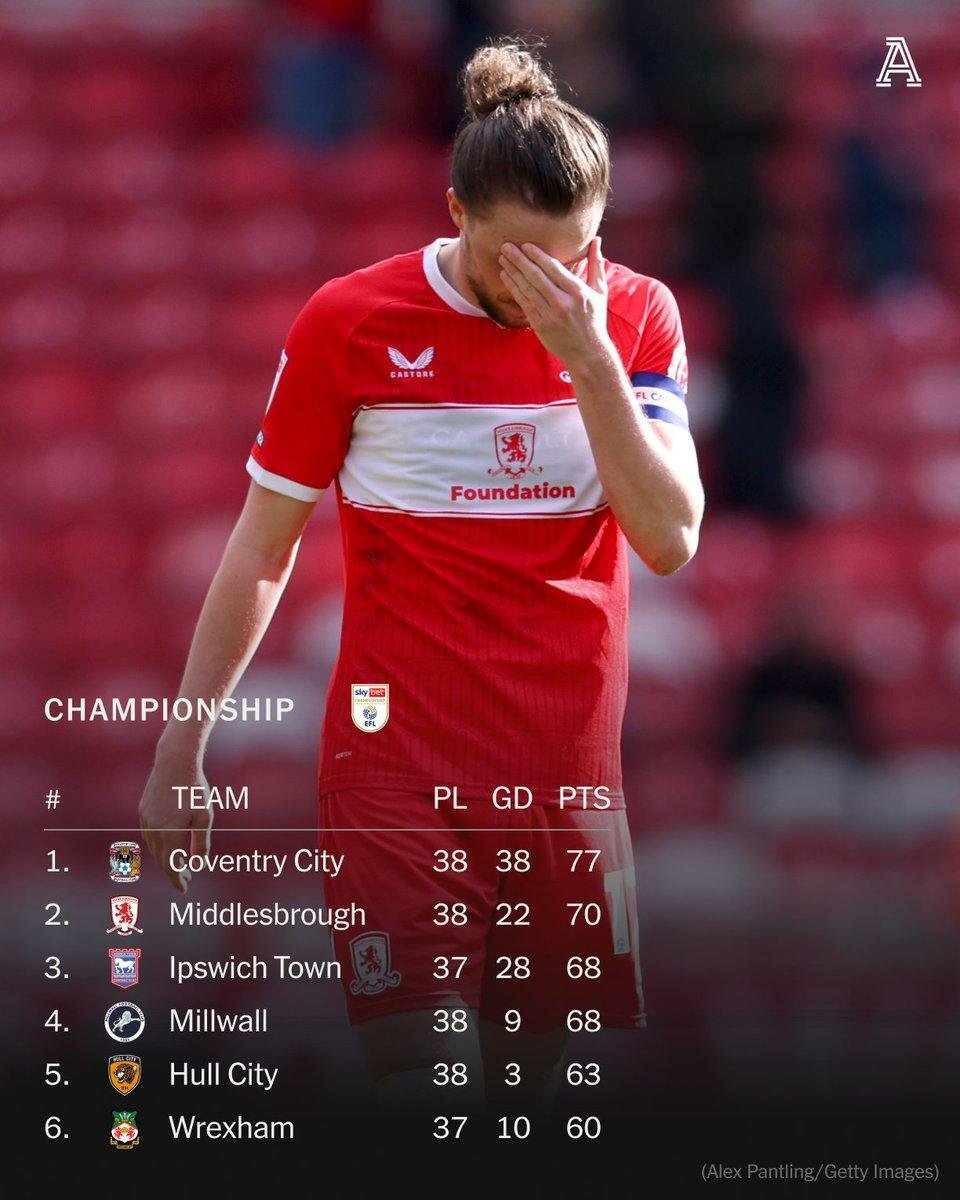
Play-Off Dreams & Promotion Ambition: Wrexham vs Middlesbrough
4 On 2 May 2026, two clubs with contrasting histories met in one of the most dramatic promotion battles of the EFL Championship season: Wrexham vs Middlesbrough. The encounter wasn’t just a match — it was a test of ambition, legacy, and destiny. 🏆 Stakes At The Start At the outset of the season, few…
-
Wrexham vs Middlesbrough: The Championship Finale Showdown
4 The final day of the 2025–26 EFL Championship season brought one of the most intriguing matches in the English Football League: Wrexham vs Middlesbrough at the Racecourse Ground on 2 May 2026. For both clubs this wasn’t just another fixture — it was a confrontation steeped in promotion hopes, historic ambition, and high drama…
-

Who Is Balendra Shah? Rapper-Turned-Politician Set to Be Nepal’s Next Prime Minister
4 Nepal’s political landscape may be on the verge of a historic transformation as rapper-turned-politician Balendra “Balen” Shah emerges as the leading candidate to become the country’s next prime minister. The popular former mayor of Kathmandu has gained massive support from young voters and reform-minded citizens who want a new direction for the country. If…
-

Who Was Stephanie Buttermore? Biography, Career and Net Worth
4 Stephanie Buttermore Biography Stephanie Buttermore was a popular American fitness influencer, scientist, and YouTuber known for her educational approach to fitness and nutrition. She gained international recognition for sharing scientifically backed fitness advice with her online audience. Basic details: Her unique combination of academic knowledge and fitness experience helped her stand out among online…
-
Stephanie Buttermore – Fitness Influencer and Scientist Dies at 36
4 Stephanie Buttermore: Fitness World Mourns Popular YouTuber The fitness community is mourning the loss of Stephanie Buttermore, a well-known fitness influencer, scientist, and YouTuber who reportedly passed away at the age of 36. The news was confirmed by her fiancé, Jeff Nippard, through a social media statement that shocked millions of fans around the…