
Testical cancer is one of the most treatable types of cancer when caught early, yet many people hesitate to talk about it because it involves a sensitive area of the body. In this blog, we’ll break down exactly what testical cancer is, the signs and symptoms to watch for, how to notice it early, and what you can safely do at home to support your health while still seeking proper medical care. Although there is no true home cure, knowledge and awareness can make all the difference.
What Is Testical Cancer?
Testical cancer occurs when abnormal cells begin to grow uncontrollably within one or both testicles, the organs responsible for producing sperm and testosterone. While relatively rare, testical cancer is the most common cancer in males aged 15–35. Despite how serious it sounds, testical cancer has one of the highest cure rates when treated early, with survival rates above 95%. Understanding how testical cancer develops is the first step toward recognizing the signs and seeking help early. Many cases begin with small, painless growths that are easy to overlook, which is why awareness matters.
Who Is at Risk for Testical Cancer?
Anyone with testicles can develop testical cancer, but certain factors increase the risk. These include having an undescended testicle at birth, a family history of testical cancer, or previous testicular issues. However, the majority of people diagnosed with testical cancer have no known risk factors at all. That means every person should be aware of the potential warning signs. Understanding your personal risk level can help you stay vigilant and more likely to catch testical cancer early.
Common Signs and Symptoms of Testical Cancer
Recognizing the early signs of testical cancer is crucial, because early detection leads to more effective treatment. The most common first symptom of testical cancer is a lump or swelling in the testicle. Often, this lump is painless, which is why many people ignore it. However, any unusual change should be taken seriously. Other symptoms of testical cancer include a feeling of heaviness in the scrotum, a dull ache in the lower abdomen or groin, sudden fluid buildup, or discomfort in the testicle. Some people with testical cancer also notice breast tenderness due to hormonal changes, though this is less common.
What Does a Testical Cancer Lump Feel Like?
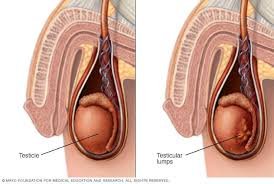
When checking for testical cancer, it’s helpful to know what the early lumps typically feel like. Most lumps associated with testical cancer are firm, painless, and about the size of a pea or marble, though they can grow larger over time. You may also feel an overall change in the texture of the testicle or notice that one testicle feels heavier or different in shape. Because testical cancer lumps usually don’t cause sharp pain, it’s easy to dismiss them, which is why consistent self-checks are so important.
How to Notice Testical Cancer Early
The best way to catch testical cancer early is by performing a regular testicular self-exam once a month. It only takes a minute, and it can save your life. Early detection dramatically improves treatment outcomes, which is why developing the habit is essential. To check for testical cancer, stand in a warm shower when the scrotum is relaxed and gently roll each testicle between your thumb and fingers. You’re looking for lumps, swelling, changes in size, or anything that feels different from your last check. Catching testical cancer early often means noticing a very small change before symptoms become obvious.
Why Early Detection Matters for Testical Cancer
Early detection of testical cancer matters because the disease tends to grow quickly, but it also responds extremely well to treatment in the early stages. When testical cancer is caught before it spreads, treatment is typically less aggressive and recovery is faster. Waiting too long can allow testical cancer to spread to lymph nodes or other organs, requiring more complex treatments like chemotherapy or radiation. By regularly checking yourself and listening to your body, you can identify testical cancer before it becomes advanced.
Medical Diagnosis and Treatment for Testical Cancer
If you discover anything unusual that could indicate testical cancer, the next step is a medical evaluation. Diagnosis of testical cancer usually includes an ultrasound, blood tests to look for tumor markers, and sometimes imaging scans. The primary treatment for testical cancer is surgical removal of the affected testicle, a procedure with high success rates. Additional treatments such as radiation or chemotherapy are used only if the testical cancer has spread. While the idea can feel overwhelming, the prognosis for testical cancer is extremely positive, especially with timely medical care.
Is There a Home Cure for Testical Cancer? (Important Truth)
It’s important to be clear and safe here: there is no home cure for testical cancer. While online misinformation can sometimes claim otherwise, testical cancer requires proper medical treatment to be cured. Trying to treat testical cancer at home without medical care can lead to dangerous delays and allow the cancer to spread. However, you can take steps at home to support your overall health during and after treatment. Understanding this difference helps ensure that people facing testical cancer receive the life-saving care they need.
Safe At-Home Support for Testical Cancer Recovery
Even though testical cancer can’t be cured at home, you can support your body and emotional well-being during treatment. Eating a balanced diet rich in fruits, vegetables, lean protein, and whole grains can help you maintain strength. Staying hydrated and getting adequate sleep also supports recovery. Many people facing testical cancer find relief through gentle movement such as stretching or walking, which can reduce fatigue. Stress management practices like meditation or journaling can help as well. These strategies won’t cure testical cancer, but they can improve your quality of life as you undergo proper medical treatment.
When to Seek Immediate Help for Testical Cancer Symptoms
If you notice sudden swelling, a rapidly growing lump, severe pain, or a sudden change in the appearance of your testicle, seek medical attention right away. These can be signs of testical cancer or another urgent condition such as torsion. Additionally, if you have symptoms of testical cancer that persist for more than two weeks, do not delay getting checked. Early action is one of the most important factors in successfully treating testical cancer, and waiting out a symptom rarely makes it go away.
Living With Testical Cancer: Hope and Recovery
Most people diagnosed with testical cancer go on to live long, healthy lives after treatment. Even when testical cancer spreads, modern medicine has developed advanced treatment options with high success rates. Many survivors of testical cancer speak of the importance of self-checks, early detection, and maintaining a positive mindset. While the journey can be emotional, support from friends, family, and healthcare providers makes a huge difference. Understanding testical cancer helps reduce fear and encourages people to seek help sooner rather than later.
Final Thoughts: Taking Charge of Your Health
Testical cancer is a serious but highly treatable condition, and awareness is your best tool. By learning the signs and symptoms of testical cancer, performing regular self-exams, and knowing when to seek medical help, you can dramatically improve your chances of catching it early. While there is no home cure for testical cancer, healthy habits and supportive care at home can aid your recovery. Remember: your health is worth paying attention to, and early detection saves lives. Stay informed, stay proactive, and don’t hesitate to talk to a doctor if something doesn’t feel right.